Giving a familiar message a fresh voice
Client:
Greater Manchester Health and Social Care
Project:
Covid's Still Here
People were ready to move on. Covid hadn’t. We helped Greater Manchester’s public health partners make a familiar message worth noticing again, with a campaign that understood people’s wish to get on with life and the small things they could do to protect each other.
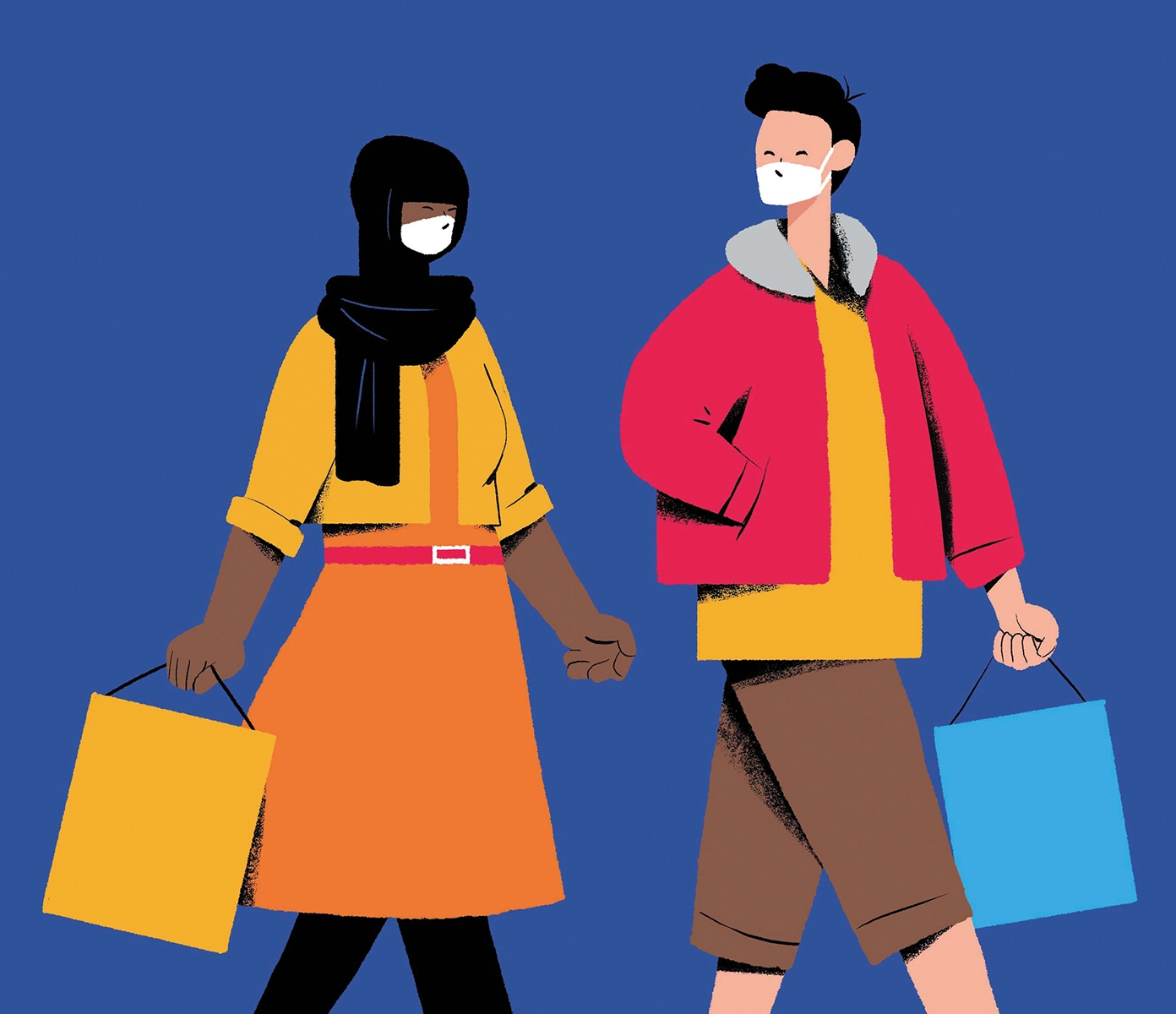
By late 2021, Covid advice had filled our screens, streets and conversations for over 18 months. As restrictions eased, the challenge was to keep those everyday precautions front of mind when people had heard it all before.
Working with Greater Manchester Combined Authority and Greater Manchester Integrated Care Partnership, we began by listening. Behavioural data and focus groups helped us understand what people needed: practical guidance that supported their choices and fitted their lives.
We used the COM-B behaviour change model to understand what the messages needed to do. This pointed to a shift in approach: giving people the understanding and confidence to make their own choices. That shaped the supportive tone of Covid’s Still Here.
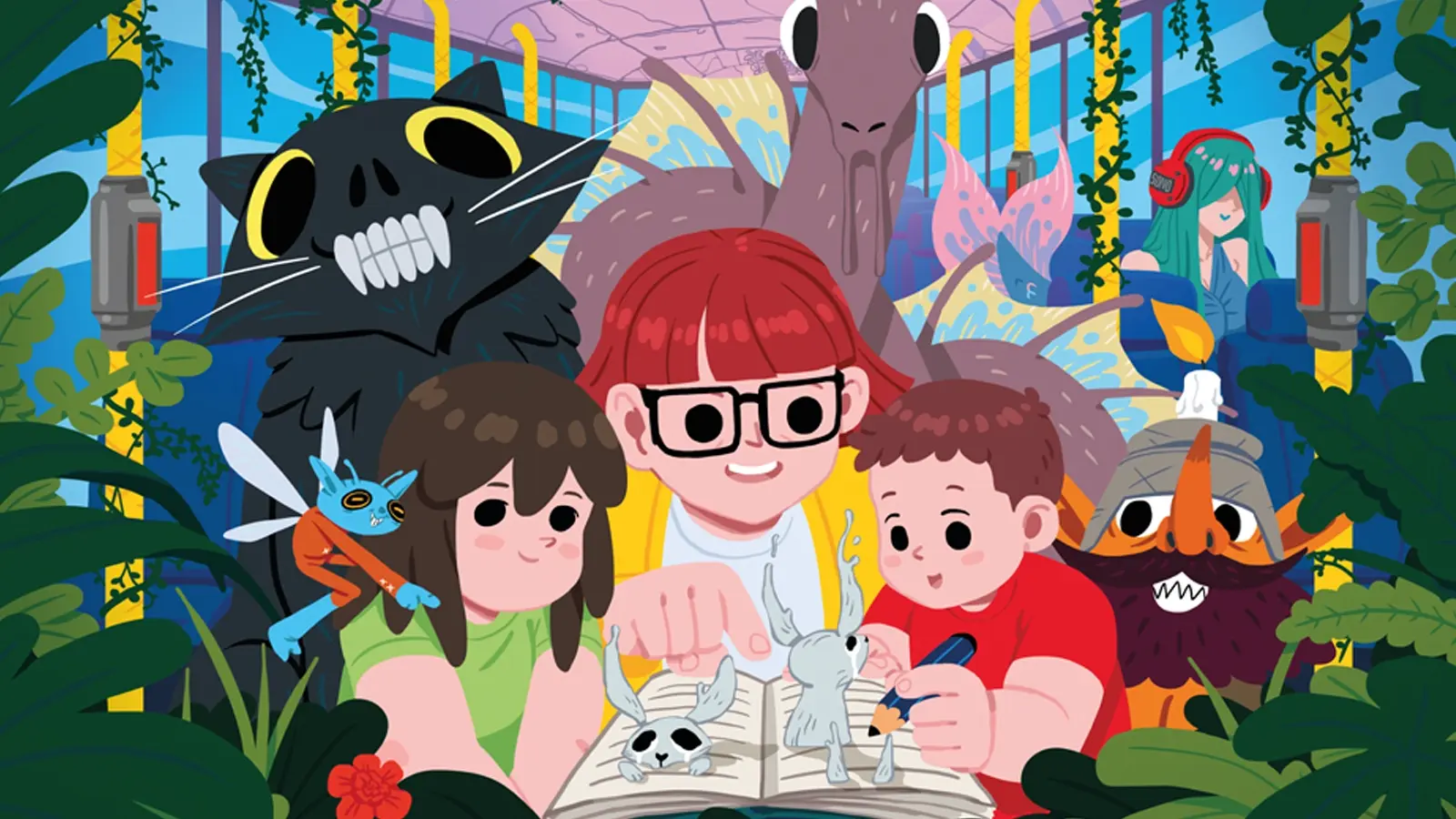
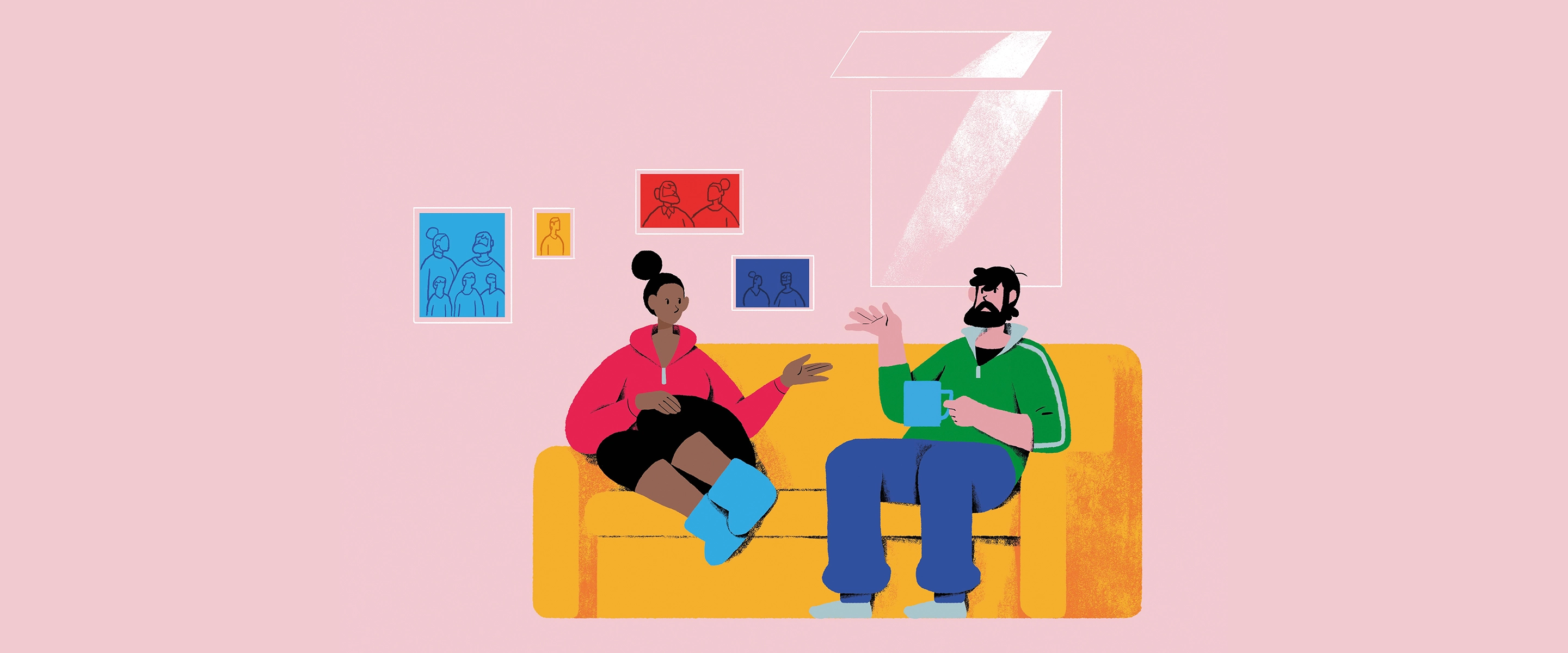
Vibrant colours and illustrated characters gave the campaign an approachable, distinctive presence. Designed to reflect Greater Manchester’s communities without resorting to stereotypes, the characters helped make each message immediately understandable. A flexible design system allowed partners to adapt the campaign for different communities, languages and changing advice.
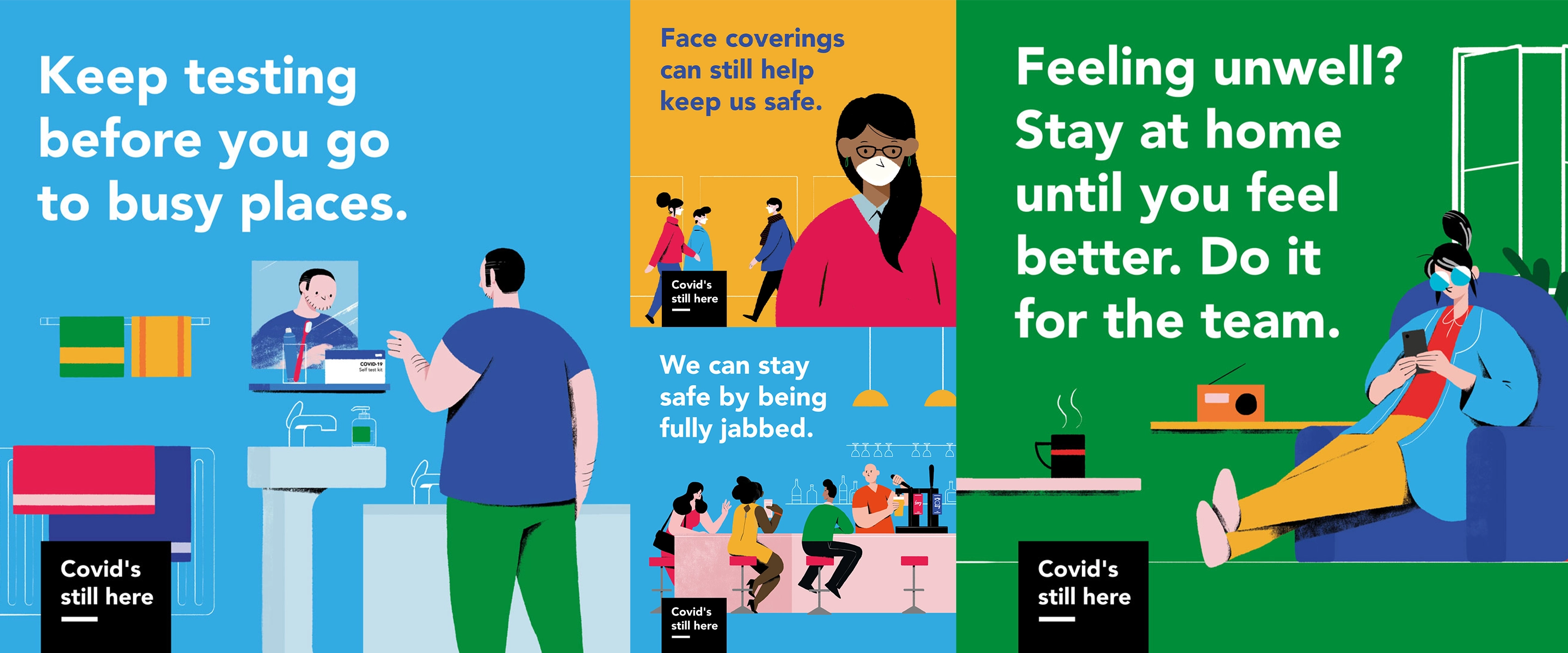
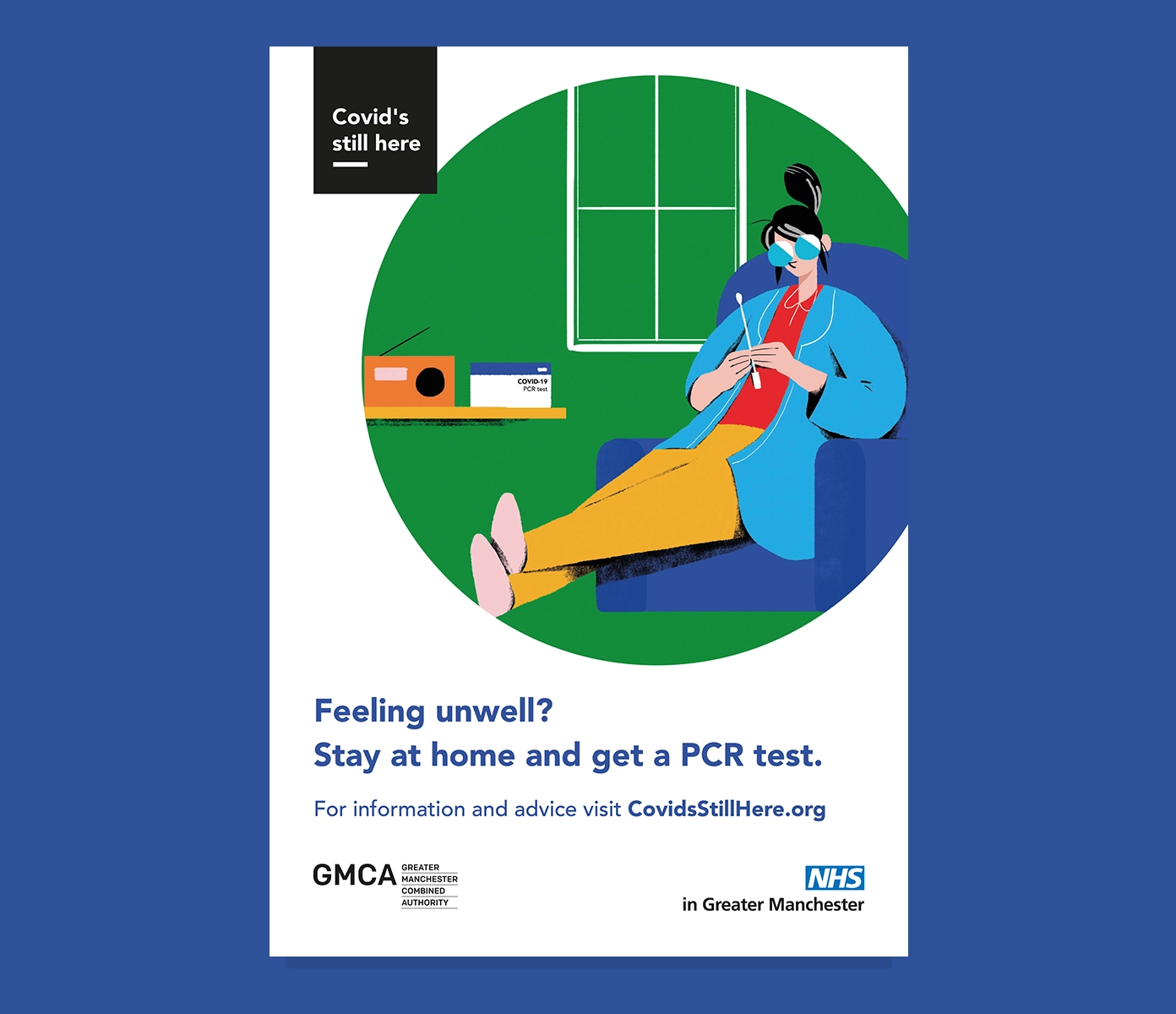
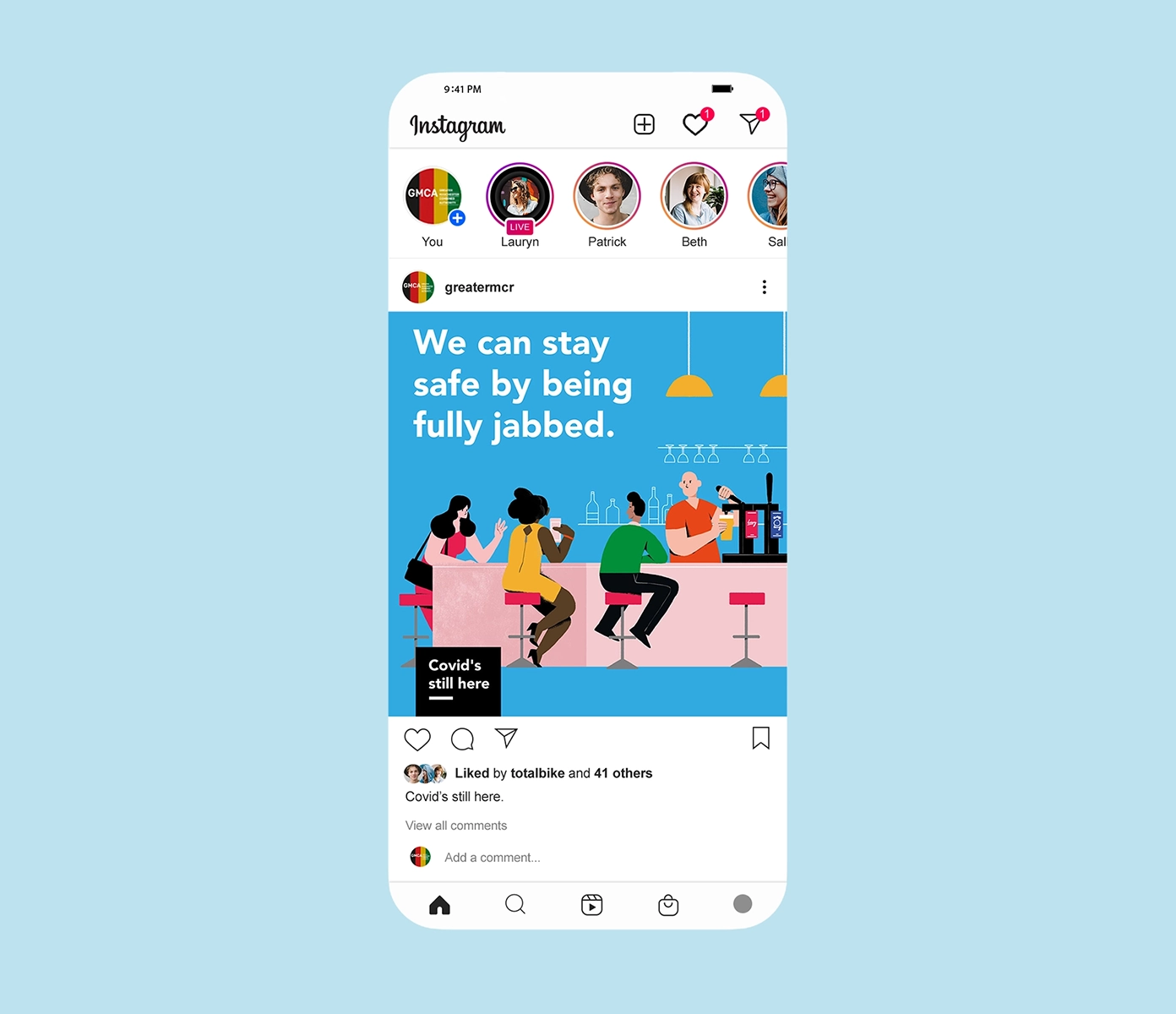
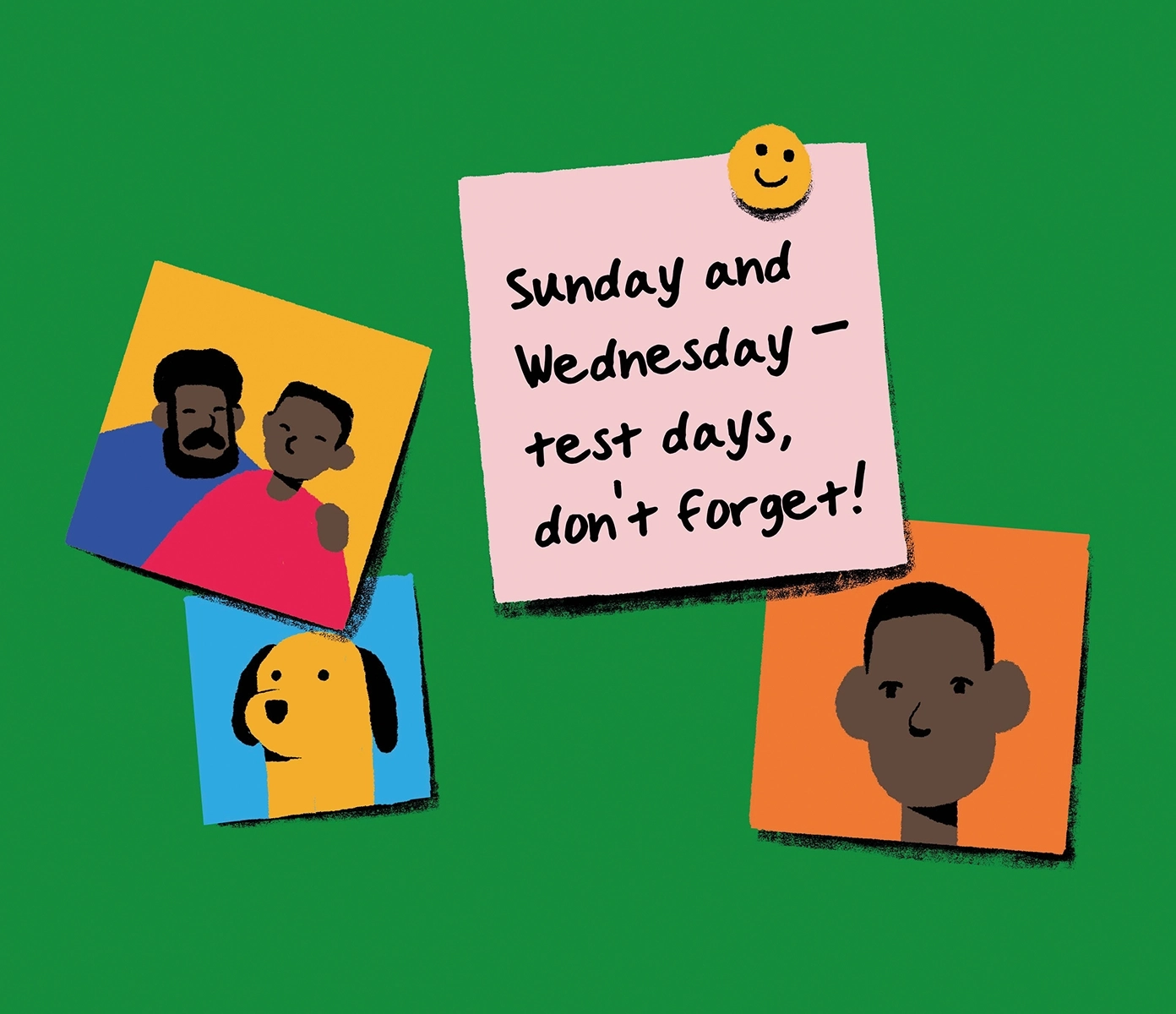
The message stayed with people: more than a third surveyed recalled the campaign. And the evaluation revealed encouraging changes in everyday habits. People reported opening windows when friends came round, making regular testing part of their week and registering their results. Small acts of care that helped people look out for each other as life opened up again.
The campaign won Gold in Healthcare at the CIPR PRide Awards North West and was Highly Commended for Best Working in Partnership at the national NHS Communicate Awards.
The campaign recognised something simple: people wanted their lives back, and they still cared about each other. Our job was to show how those two things could go together. A familiar message became easier to hear because we changed how it was delivered: with warmth, understanding and a clear sense of the people it needed to help.
Next Work